

Training Resources by Robbie Britton
Post filters



A Practical Guide to Multi Day Stage Racing: How to Train, Pace, and Survive the Week
February 11th, 2026
Multi day stage races sit in a unique place in endurance sport. They are not just long races. They are repeated long races, layered on top of each other, with limited recovery, unfamiliar routines, and a growing sense of fatigue that builds quietly from day one.


Time vs Mileage: Which Should You Train By for Ultra-Marathons?
January 27th, 2026
Ultra-runners love numbers. Weekly mileage, vertical gain, daily steps, sleep scores, we start collecting metrics like the Cookie Monster collects cookies. But the most important number in ultra training isn’t miles at all. It’s time.


How Much Weekly Mileage Do You Really Need for a 50–100 Mile Ultra?
January 27th, 2026
Weekly mileage is one of the most common questions ultra-runners ask. It’s usually the first thing athletes search for when they sign up for a race, and the last thing they worry about when training feels uncertain. But the truth is: there isn’t one magic number.

Efficiency vs Strength in Ultra-Running: Why the Difference Exists (and How to Train for Each)
January 26th, 2026
Not all ultra-marathons stress the body in the same way. Some races reward smooth, efficient running where you lock into a rhythm and hold it. Others demand strength, resilience, and the ability to absorb hours of climbing, descending, and challenging terrain.


What to Do in the Final 4 Weeks Before Your Ultra
January 26th, 2026
The final four weeks of an ultra build are a strange mix of excitement, nerves, and phantom niggles. You’ve done the hard work. Now your job is to arrive fresh, confident, and ready. Those last weeks matter, not because of big sessions, but because of smart decisions.
Autumn 100: Four Out-and-Backs, Four Different Races
January 20th, 2026
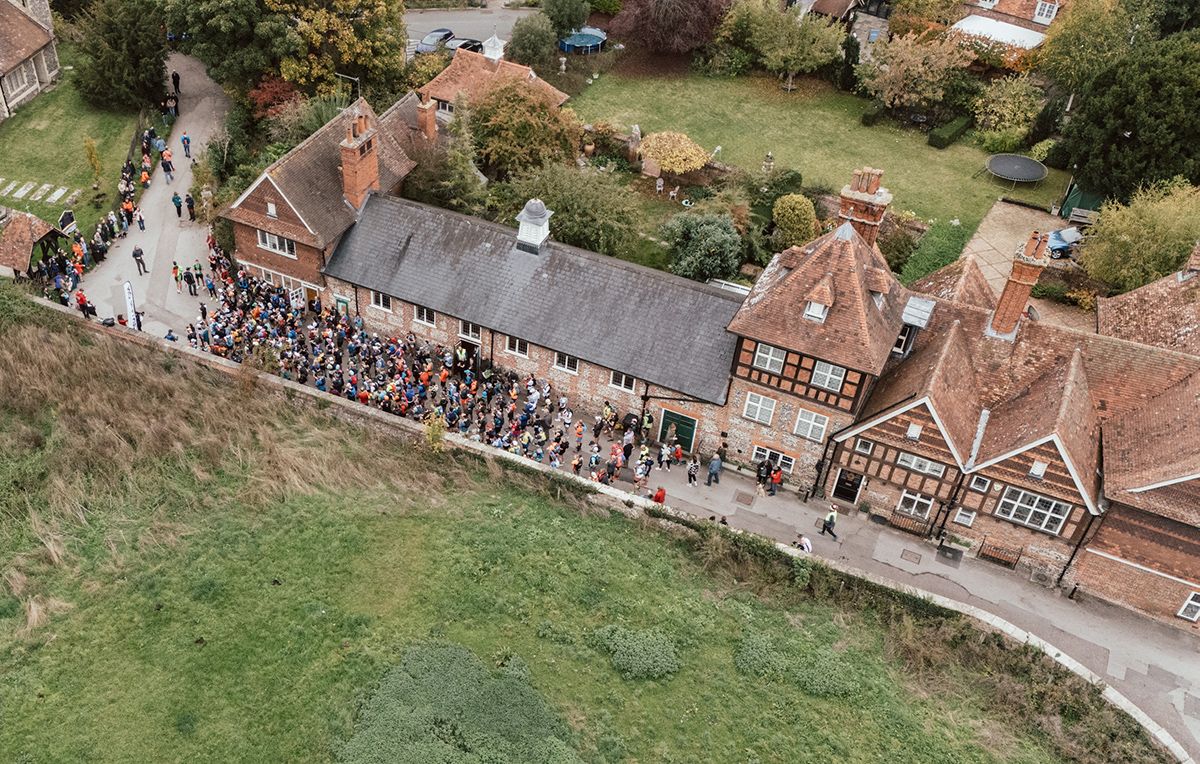
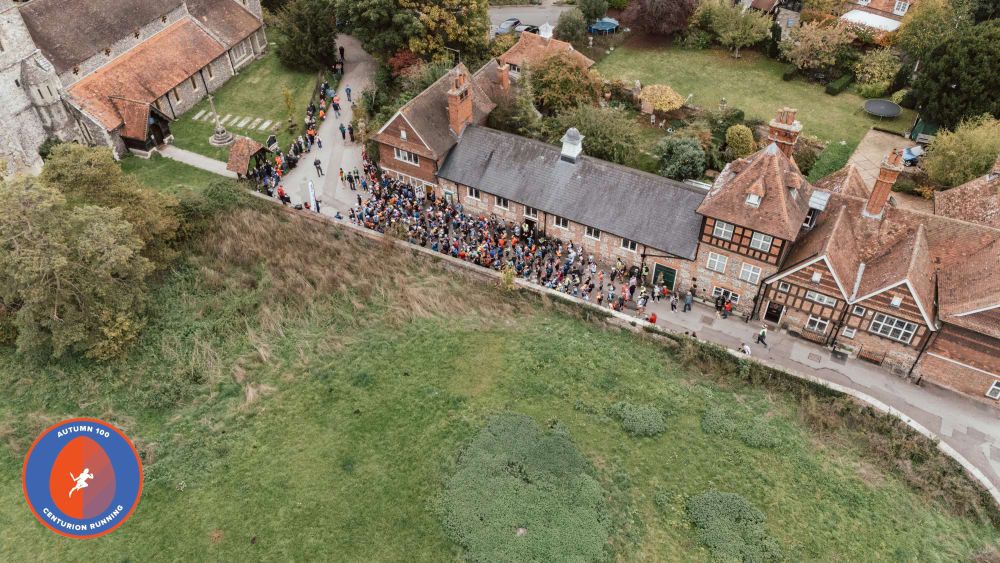
The Autumn 100 is unique: four spurs from Goring, each with their own terrain, feel, and challenges. Because you return to Goring every 25 miles, pacing and mental reset become as important as fitness.

Thames Path 100: Mastering the Flat and the Mental Game
January 20th, 2026
Our Thames Path 100 looks simple on paper—flat, fast and straightforward. But that very simplicity is what makes it hard. There’s nowhere to hide from your pacing, and every small decision adds up over 100 miles of riverside running.

North Downs Way 100: Technical, Honest, and Hard-Earned
January 13th, 2026
The NDW100 combines runnable sections with technical woodland, punchy climbs, and long stretches that reward durability far more than raw speed. It’s a true test of footwork, focus, and resilience.

Why Distance Is Better Than Time for Ultra-Marathons
January 13th, 2026
Yes, time-based training is brilliant (we even wrote an article about it). But so is mileage.

Managing pace on hilly British courses (without blowing up)
January 12th, 2026
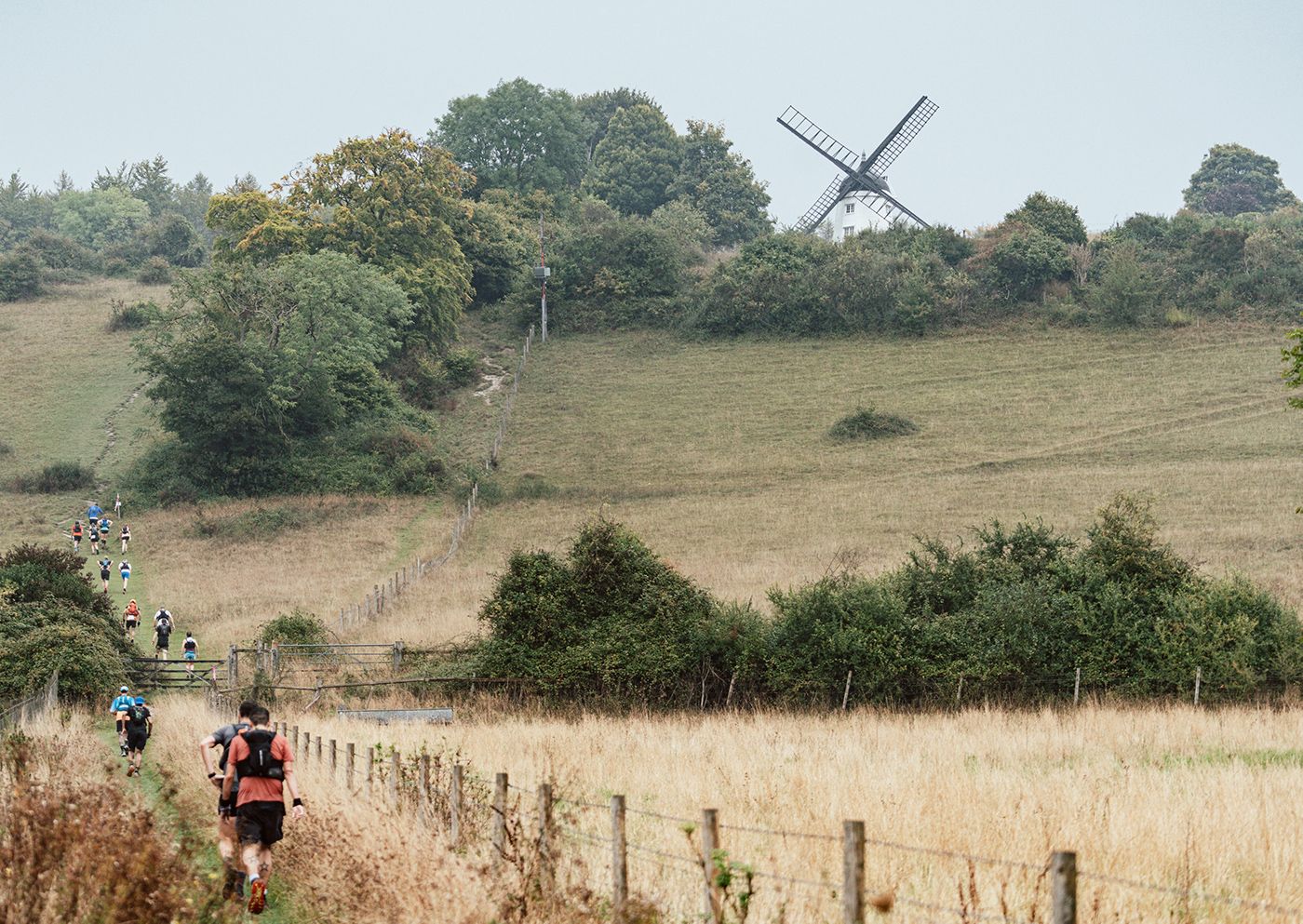
It might not be the Alps, but the short, sharp climbs that feature in so many British trail races still need to be respected. Whether you’re racing on the chalk of the South Downs, the steep ups of the North Downs, or something wetter, muddier, and more Scottish, the real skill is effort management.

South Downs Way 100: Pacing the Rolling Chalk Hills
January 6th, 2026
The SDW100 is a beautiful but deceptively tough course. The terrain rolls constantly, the chalk underfoot can be firm or slippery, and the long descents can sneak up on your quads if you overdo things early. The key to a strong race—whether it’s your first 100 or your fifteenth—is patience and rhythm.

How Fitness Actually Improves: The Science Behind Getting Better at Running
December 19th, 2025
A lot of new runners assume fitness improves because you push yourself harder each week. It feels logical: run fast, breathe hard, sweat more, get fitter. But running doesn’t work quite like that. Head of Endurance Robbie Britton goes into more detail.


Why Beginners Shouldn’t Train Fast All the Time
December 14th, 2025
“One of the most common patterns in new runners we see is doing almost every run too fast,” says Centurion Head of Endurance Robbie Britton.

How to Train for 100 Miles When You Don’t Have Access to Hills
December 1st, 2025
Plenty of runners preparing for big hilly races live in areas that are, shall we say, topographically challenged.

Is 200 miles the new 100?
As ultra runners become better trained, better fuelled, and more durable, the frontier of the sport is shifting. In this article, we explore why 200+ mile races are increasingly becoming the new benchmark.

How to step-up from 100 Miles to 200 Miles (Without Breaking Yourself in the Process)
Moving from 100 miles to 200 miles is not just doubling the distance. It is stepping into a different type of event entirely. A 100 mile race tests fitness, pacing, and fuelling. A 200 mile race tests repeatability, emotional control, sleep management, and your ability to keep making good decisions while deeply fatigued.