


How to step-up from 100 Miles to 200 Miles (Without Breaking Yourself in the Process)
Featured in this article
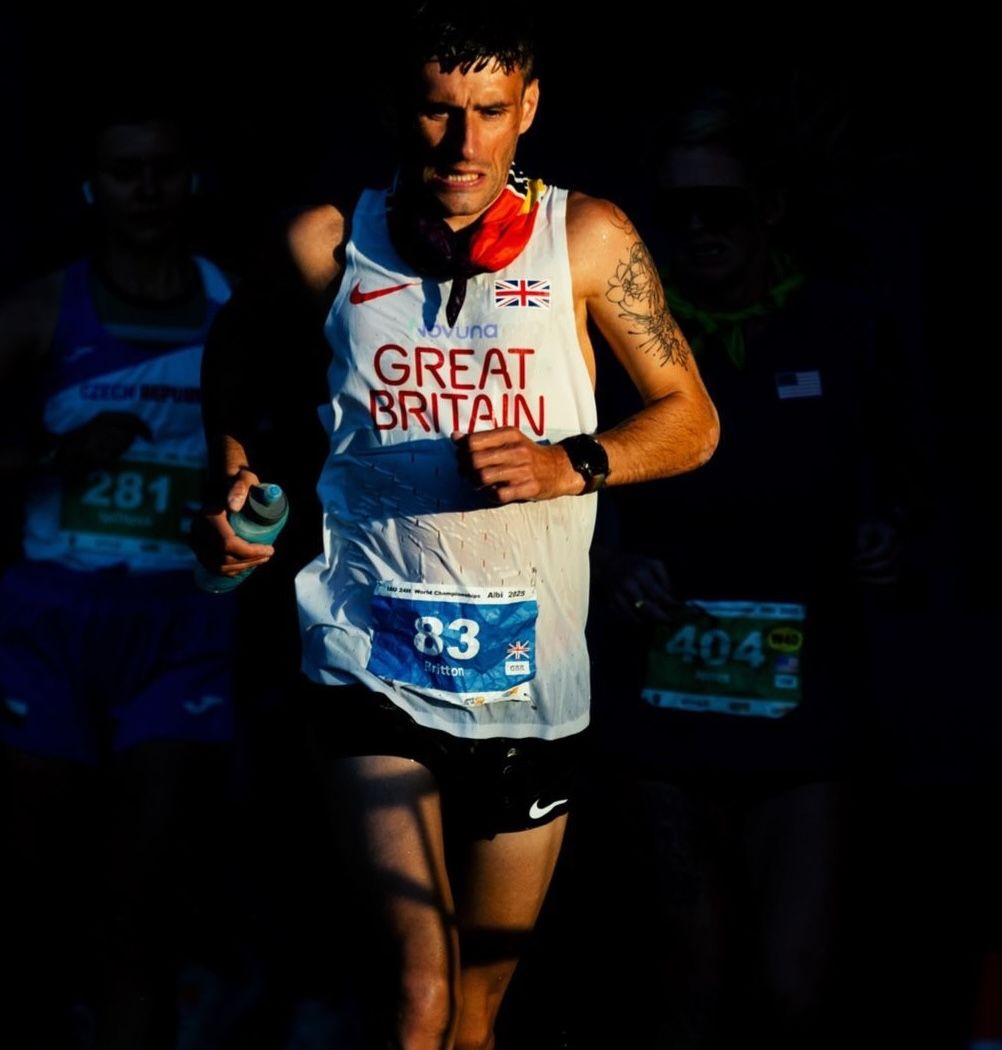
Moving from 100 miles to 200 miles is not just doubling the distance. It is stepping into a different type of event entirely.
A 100 mile race tests fitness, pacing, and fuelling. A 200 mile race tests repeatability, emotional control, sleep management, and your ability to keep making good decisions while deeply fatigued.
Many runners assume the jump requires simply doing more of everything. Longer runs. Bigger weeks. Harder sessions. In reality, successful transitions to 200 miles usually come from training differently, not just training more.
Here is how to approach it intelligently.
Start by changing how you think about performance
At 200 miles, performance is no longer defined by pace alone. It is defined by how well you function across multiple days.
You are training for:
Being able to move when tired
Eating when you do not feel hungry
Sleeping when you do not feel sleepy
Staying calm when things wobble
Restarting after minimal sleep without drama
This is not about building a bigger engine. It is about building a more reliable system.
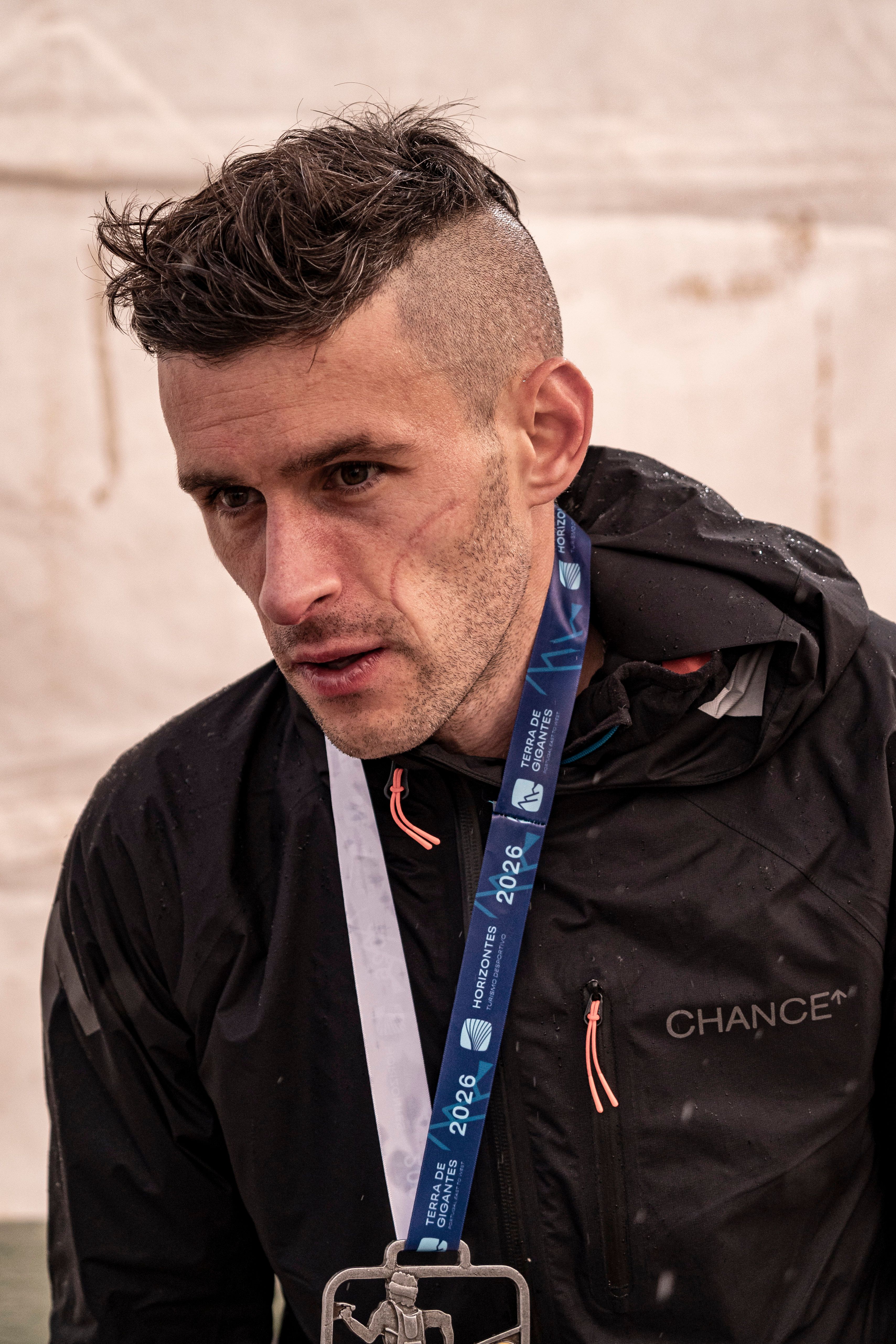
"I found out that if you arrive thinking you will simply run two 100 milers back to back, you will struggle," says Robbie Britton. "Some of the lessons in this article come directly from the tough final miles of a 300km trail race called Terra de Gigantes in Portugal".
If you arrive thinking in terms of managing cycles of effort, recovery, and problem solving, you are much closer to the mark. Shift your training from peak efforts to cumulative load
For most runners, 100 mile training revolves around a weekly long run and maybe a big weekend. That works because the race itself is largely continuous.
Two hundred miles is different. You are preparing for repeated long days.
Rather than chasing one huge long run, focus on building weeks where you run most days and still feel functional by the end. You are teaching your body to absorb fatigue and continue moving.
This also means learning to respect easy days. If everything feels hard in training, you are not building resilience. You are just digging holes.
Strength training becomes non negotiable
At 200 miles, tissue durability matters as much as aerobic fitness. Your quads need to survive repeated eccentric loading. Your calves and feet need to tolerate tens of thousands of foot strikes. Your hips and core need to hold posture when fatigue sets in.
Strength work can dramatically improve how well you hold together in the later stages of multi day races.
This is not about building muscle mass. It is about increasing load tolerance.
Learn to pace in days, not miles
Many runners moving up from 100 miles still pace emotionally. They feel good early and allow effort to drift. In a 200 mile race, that mistake echoes for days (you'll feel it in the weeks post race too).
Your goal is not to feel strong on day one. Your goal is to still be moving smoothly in the final hours.
That requires:
Walking early on climbs
Keeping heart rate capped on runnable sections
Letting faster runners go without reacting
Think of the race in phases rather than distance. Morning, afternoon, evening, night. Each phase has its own rhythm and requirements.
You are managing energy availability, muscle damage, and nervous system fatigue, not chasing splits.
Expect psychological adaptation to take time
The step from 100 to 200 miles is also a mental one. You will experience deeper lows, longer plateaus, and moments where progress feels slow.
This is normal.
Your job is not to eliminate these moments but to become familiar with them. Long training blocks, back to back weekends, and occasional overnight runs help build emotional tolerance.
By the time you arrive on the start line, you should already know what tired feels like and trust that it passes.
It's not just about fitness
Transitioning from 100 miles to 200 miles is about being conditioned for the race ahead , not just pure fitness. Train for cumulative load. Strengthen your body. Practice recovery. Learn to pace in hours (or afternoons) rather than miles. And accept that this distance asks more of your systems than your speed.
Do that well, and 200 miles becomes less about survival and more about having good snacks.