

January 12th, 2026
Managing pace on hilly British courses (without blowing up)
Featured in this article
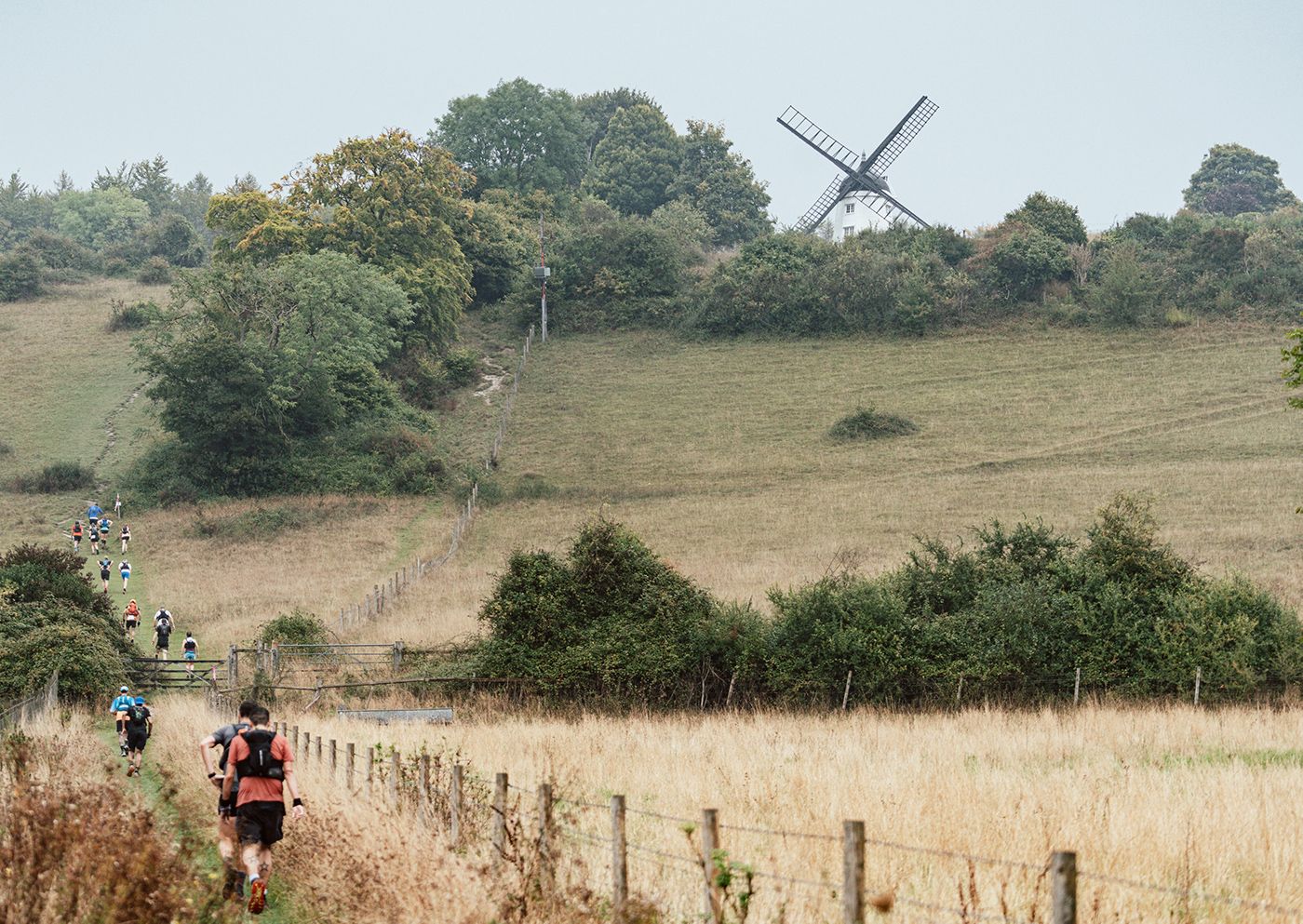
It might not be the Alps, but the short, sharp climbs that feature in so many British trail races still need to be respected. Whether you’re racing on the chalk of the South Downs, the steep ups of the North Downs, or something wetter, muddier, and more Scottish, the real skill is effort management.British hills generally don’t have those friendly switchbacks, they’re rarely long enough to settle in to, but often steep enough to sting. That combination catches people out more than anything.
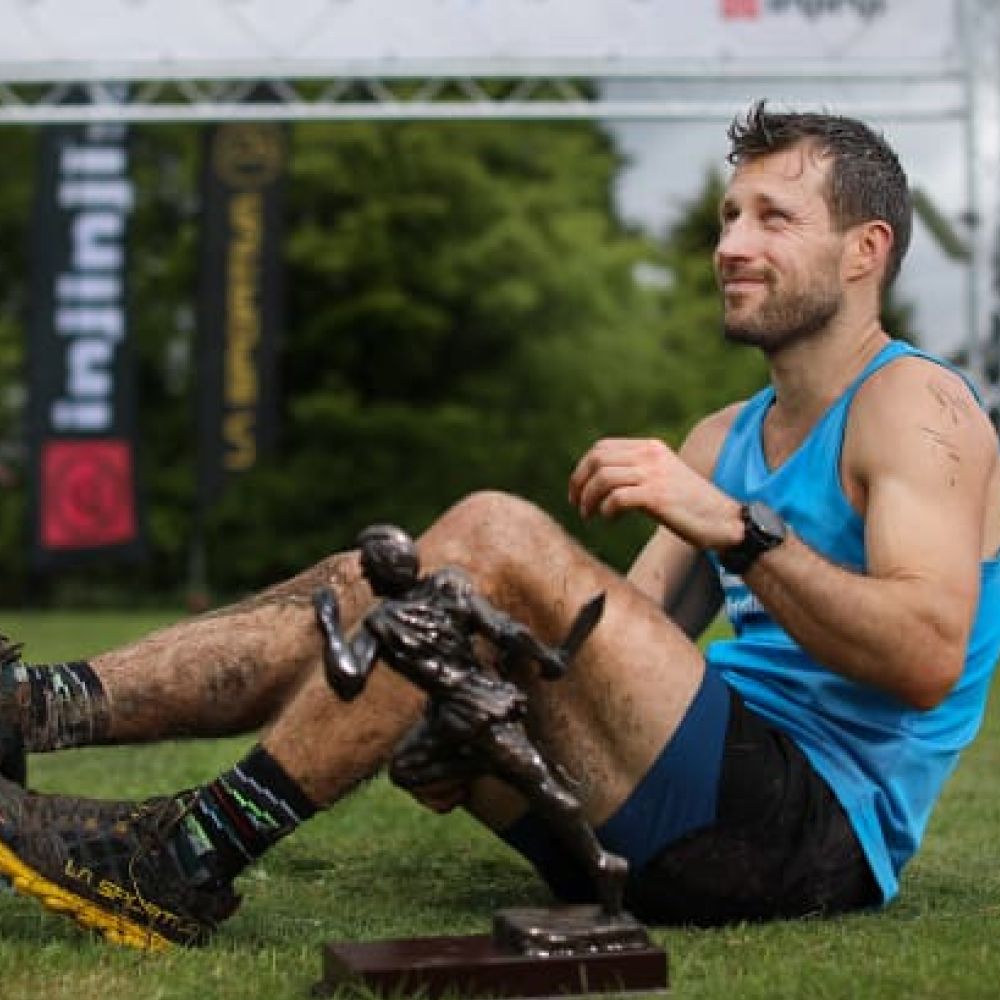
Centurion coach Ry Webb has battled many a hill in the UK (and overseas) and has some great advice for those who haven’t quite got it right yet.
So whether it’s your local fell race or the Hundred Hills 50k, how should you approach that incline and is the quickest time to the top always the best option?
1. Think in effort, not pace
Your watch pace means very little on rolling terrain. If you chase a pace target uphill, you’ll burn through energy far faster than planned.
The trick is learning to lock into a consistent effort, not a consistent speed. The length of the climb and the steepness both play a part, you don’t want to work beyond the limits of your muscles or your cardiovascular system either.
A steeper section might mean a slower pace for the same effort, or even harder effort if it gets real steep. Knowing how to gauge that can be key.
2. Hike early, not late
Hiking isn't a weakness. It’s a strategic tool. Use it early on the steepest pitches and you’ll move far more efficiently later. If you wait until you’re exhausted to hike, you’ve missed the moment.
British hills are often short enough that a strong hike can be as fast as a slow run, with half the cost. If you’re 30s slower to the top, but not absolutely gassed, it might mean you draw back a minute in the following miles.
“Hike before you need to” says Ry. “If you’re running up hills at the start of a race you don’t think you will be able to run in the middle or towards the end then building in hikes now will help you run the more runnable sections later”
3. Keep the body controlled on descents
Most blow-ups on British courses begin on the downhills. It’s easy to let gravity take you, but quad smashing early on is a bill you’ll be paying at mile 40. Stay engaged, stay light on your feet, and keep cadence up. Loose chalk, wet grass, and damp roots reward control over bravado.
The downhills can be a time to recover, albeit at pace, for the next uphill. They say you win it on the uphills, but can lose it on the downhill, so work on how quick you can descend for the minimum amount of effort.
“You are NOT Kilian (probably)” says Ry. “Most of us don’t get the chance to be running down hills for 30+ minutes in training. So when you're faced with a descent like this in a longer race don’t try to catch everyone you can see ahead. Think of your own effort and, as Bruce Lee says, ‘Be like Water’.The path water takes down most trails is often a route of least resistant. It might not be the best option for you, but it’s something to consider as you’re going along.
4. Find rhythm between the lumps
Hilly courses feel smoother when you connect the sections. Think in segments: climb steady → reset at the top → relax into the descent → find the flats. Many runners treat each hill like its own mini race. The best runners treat the whole route as a single, flowing effort.
The fastest time up one hill, even a few hills, might not be the quickest way to get to the finish line if you’re starting to fade before halfway.
5. Fuel early
Hilly terrain spikes effort even when you’re pacing well. Each climb might burn a few extra matches compared to the same effort/time on the flat so take that into account when you plan your nutrition. The hills might spike your core temperature too, with each effort making the subsequent miles a little higher in their energy cost as well, but that is less of a problem racing in the British rain.
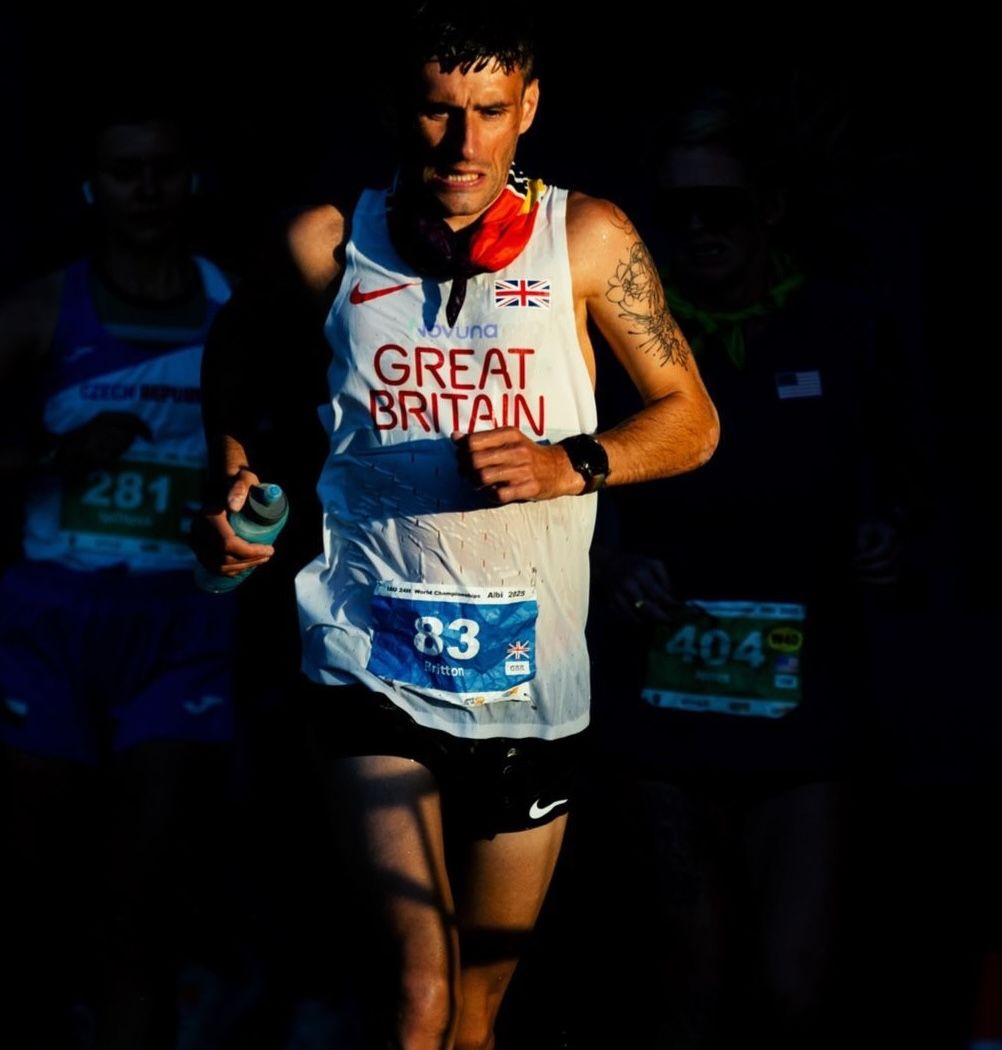
Head of Endurance Robbie Britton adds that “if you can maintain your climbing to a similar level, or just not drop off too much, then you’ll make great ground on your competitors in the latter stages.”
Summary
Run the hills you can, hike the hills you should, and keep your effort calm enough that you feel in control from start to finish.The downhills can provide free speed in terms of effort, but not muscular damage so don’t take all the help that gravity offers without expecting some payback in a longer race.
Especially if you’re running down the concrete road of Denbies Vineyard hill on the North Downs Way. If you know, you know.