


Is 200 miles the new 100?
Featured in this article
Not long ago, running 100 miles felt like the outer edge of possibility. It was the distance people whispered about in clubs and on start lines. The big one. The ultimate test. If you finished a 100, you had arrived.
Now, something has shifted.
One hundred miles has not become easy, far from it, but it has become familiar.
More runners are finishing them. More races are offering them. More athletes are building the durability, experience, and confidence to go further.
Quietly, almost without anyone announcing it, the frontier has moved. Two hundred miles is starting to feel like the new benchmark, not because it is fashionable, but because the sport has evolved.
Modern ultra runners are simply better prepared than they were ten or fifteen years ago. Training is more structured. Nutrition is better understood. Strength work is no longer optional. Athletes are pacing more intelligently and fuelling earlier.
The old idea of running on empty for hours has been replaced by carbohydrate targets and recovery routines. With that has come a huge increase in durability.
With the help of improved coaching runners now arrive at 100 mile start lines with years of aerobic base behind them. They understand long runs. They know how to manage sleep deprivation. They have practised eating under fatigue. They have experienced lows and learned how to move through them.
So when they finish their first 100, the question often becomes what next. For many, the answer is not to go faster. It is to go further.

Who leads the way?
Look at some of the defining races of the last decade. The Spine Race takes runners the length of the Pennine Way in brutal winter conditions. It is not just long, it is hostile. Sleep deprived, weather beaten, and relentlessly...boggy, it demands resilience far beyond standard ultra racing.
Tor des Géants in Italy stretches roughly 330 kilometres around the Aosta Valley with vast elevation gain. This is not a race you simply run. It is a multi day mountain journey where pacing, problem solving, and emotional control matter as much as fitness and it brings world class mountain athletes from around the world.
The Winter Downs 200, although relatively new in comparison, brings the 200 mile distance to Centurion Running events and is fast becoming everyone's favourite way to avoid Christmas shopping.
These races are no longer fringe curiosities. They are aspirational events. Athletes plan years around them. They attract deep fields. They sit at the top of many runners’ long term goals. The ceiling has lifted.
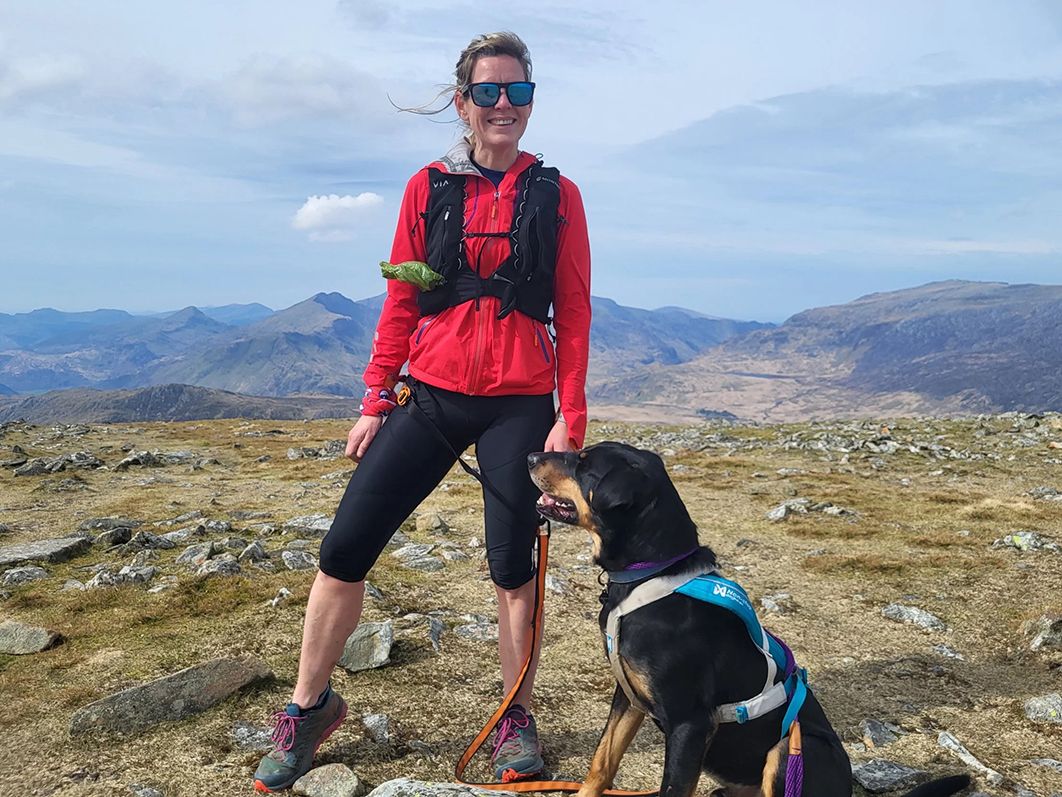
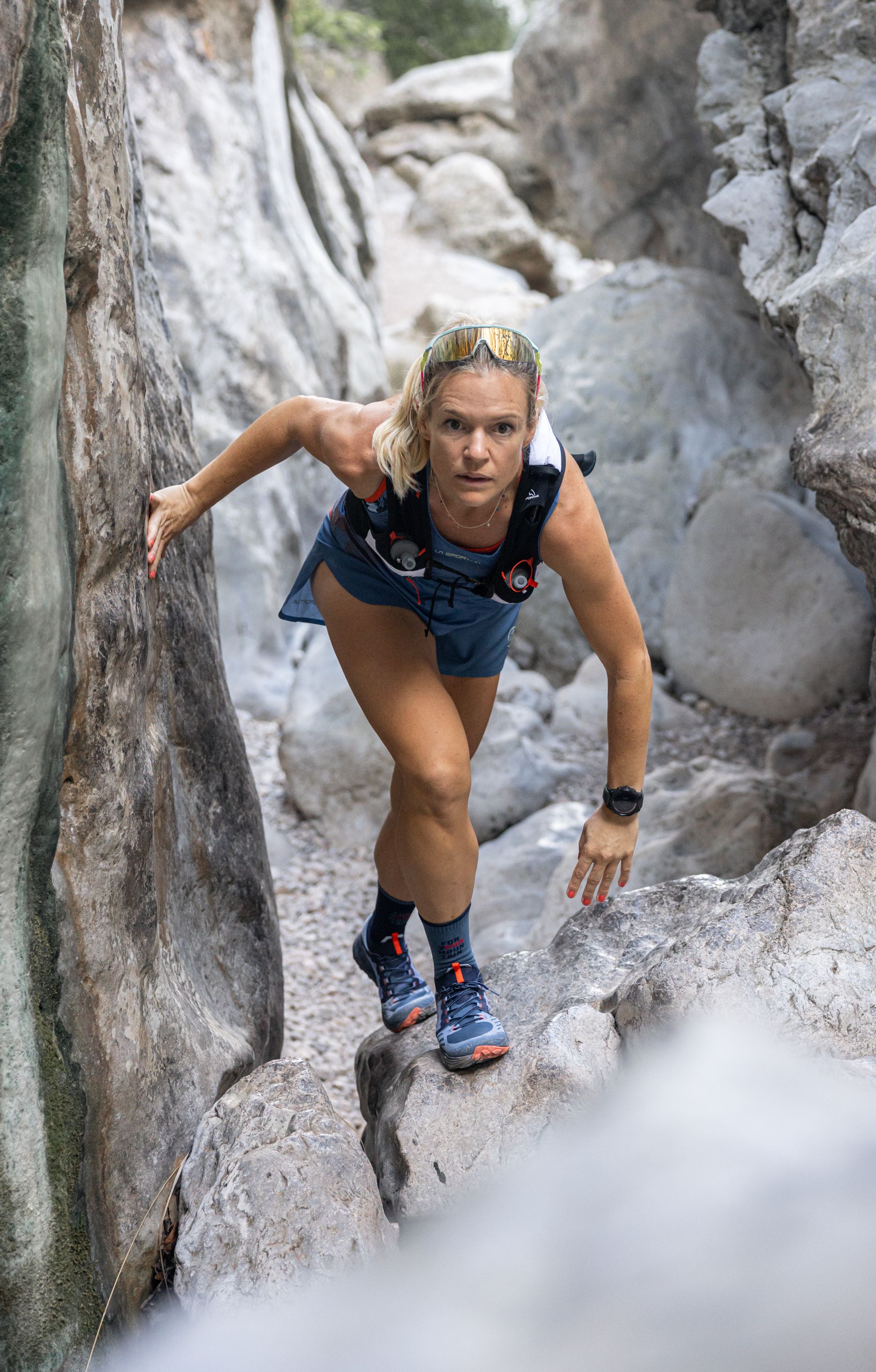
Our coaches have relished these challenges with Sophie Grant, Neil Bryant, James Elson and Anna Buckingham all completing both the Spine and the Tor des Geants.
What is different for the athletes to grasp?
Two hundred miles also asks different questions of the athlete. A 100 mile race is largely about managing effort, fuelling well, and keeping your body together long enough to finish strongly.
Two hundred miles changes the nature of the challenge. Now you are dealing with multiple sleep cycles, extended energy deficits, large cumulative muscle damage, emotional fatigue, and decision making under prolonged stress. You are not trying to run well once. You are trying to function across three, four, sometimes five days with very little or no sleep.
At these distances, raw fitness becomes less important than repeatability. The best 200 mile athletes are not the ones who can hit the highest peak output. They are the ones who can keep solving problems when tired, cold, sore, and running low on motivation. It becomes a test of systems, not sessions.
Pacing has become more conservative and more intelligent too. Early in the history of 100 milers, many runners went out hard and hoped to survive (see the great Cavin Woodward). We still have that style of racing, but more athletes are appreciated the conservative start to the longer distances.
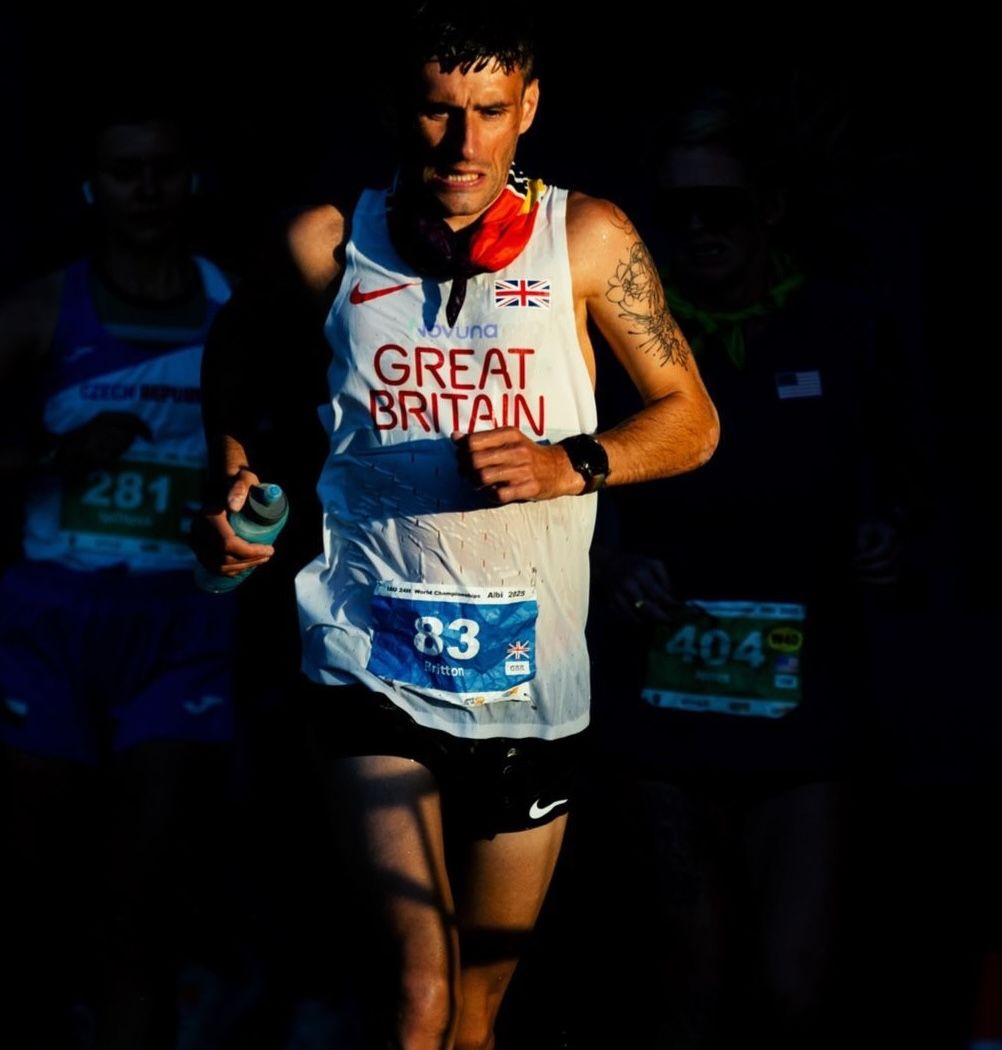
That mindset transfers naturally to longer events. In 200 mile races, nobody wins in the first half (our Head of Endurance Robbie Britton knows this first hand).
Everyone who finishes well understands that restraint early creates momentum later. The goal is not to feel strong on day one. It is to still be moving smoothly on day three or four. Patience becomes a performance skill.
What moves us forward?
It is tempting to frame longer distances as ego driven escalation, but for most athletes, moving from 100 to 200 miles is not about bragging rights. It is about curiosity.
What happens if I keep going. How does my body respond over multiple days. What can I learn about myself out there. For runners who already love long efforts, stage racing, or extended adventures, these distances feel like a natural evolution rather than an extreme leap. The sport is not becoming more reckless. It is becoming more capable.