

January 27th, 2026
Selecting the Race Vest (or Pack) That Works When It Matters
Featured in this article
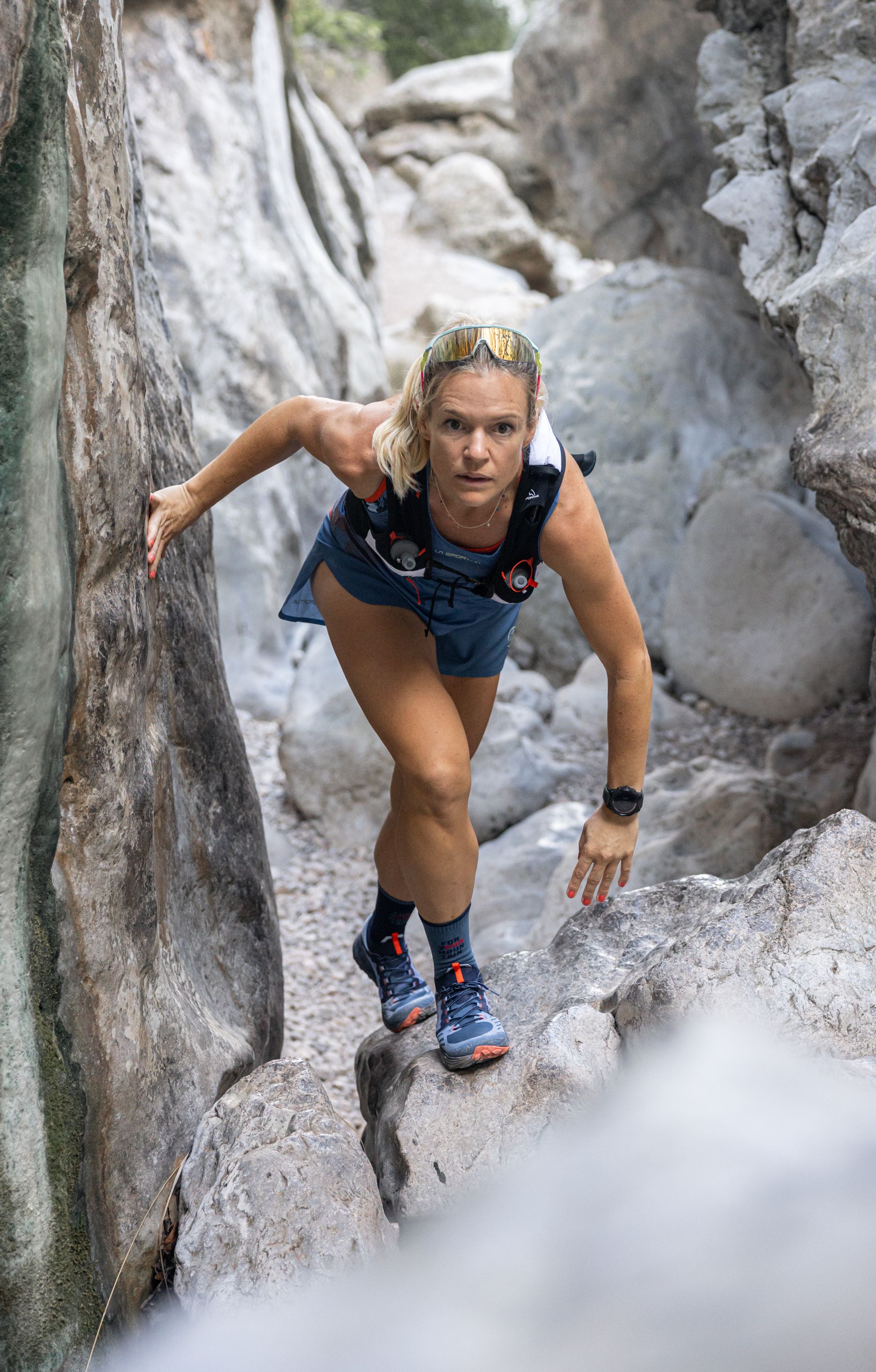

Whether you’re out in the hills for a long training day or lining up for one of the big ultras, your race vest (or pack) is much more than a bag, it’s your mobile command centre: hydration, food, layers, bottles, first-aid, lighting.
Coach Sophie Grant starts us with some simple words that are often overlooked, “having a pack that is comfortable, holds everything you need and ideally has a lot of storage up front can make your racing and adventures so much more enjoyable.”
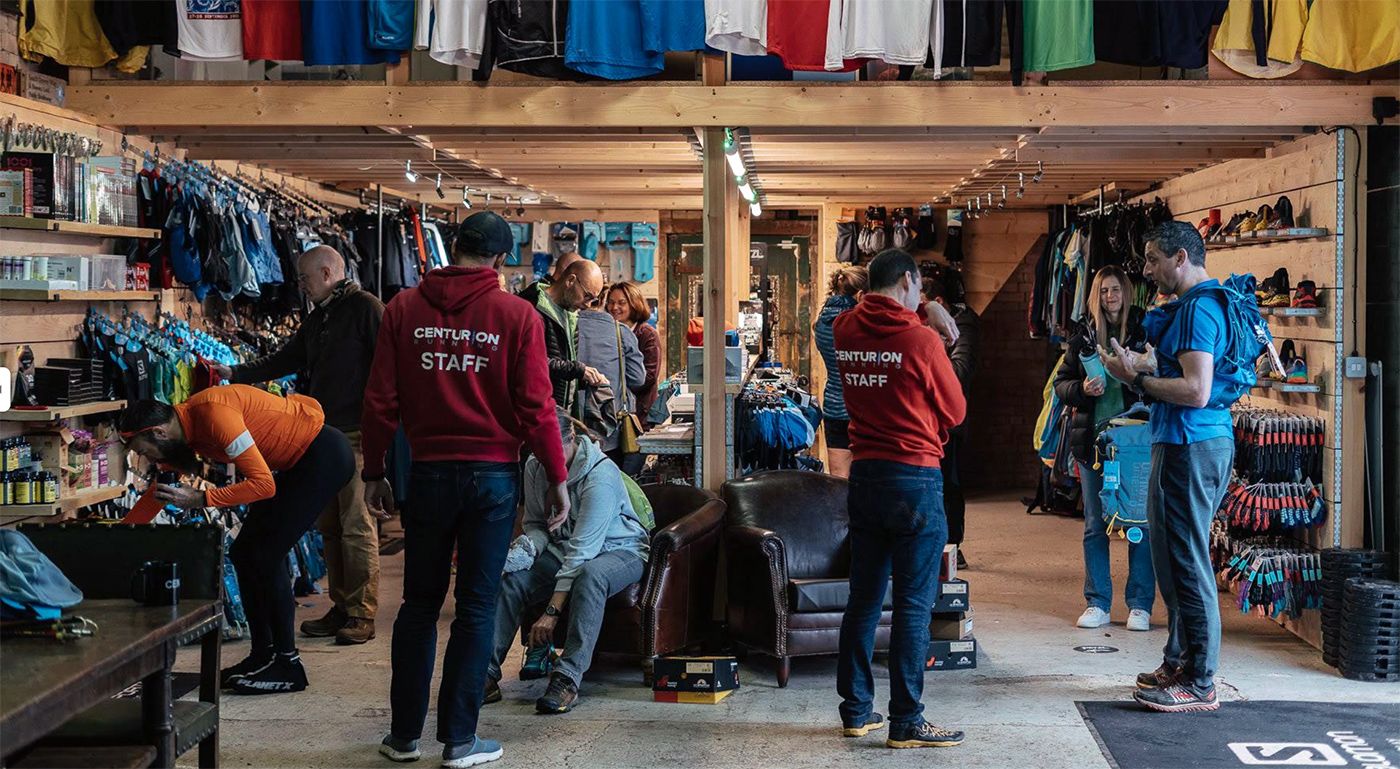
The Centurion Running Store’s Running Vests & Rucksacks section is a strong place to start.
1. Mandatory kit requirements
- For most events you will have a mandatory kit list and this is important to be aware of before you pick your pack.
- It is often tied to what is needed to keep yourself safe in the race environment, with extra water capacity for hot conditions, better waterproofs for monsoon season.
- The mandatory kit list might just be the minimum and you might need extra space for your own food, an additional windproof jacket or an extra headlamp.
2. Capacity vs weight
- For events around 50km you might be fine with a 3-8 Litre vest or smaller; for 100 miles you’ll often need 10-12 Litres (or more) to carry all mandatory kit, spares and extra fuel.
- The trade-off: larger capacity means more weight, but minimal capacity means frequent stops or compromise.
- Centurion regularly stocks brands like Ultimate Direction and Salomon which combine capacity and performance.
3. Fit & stability
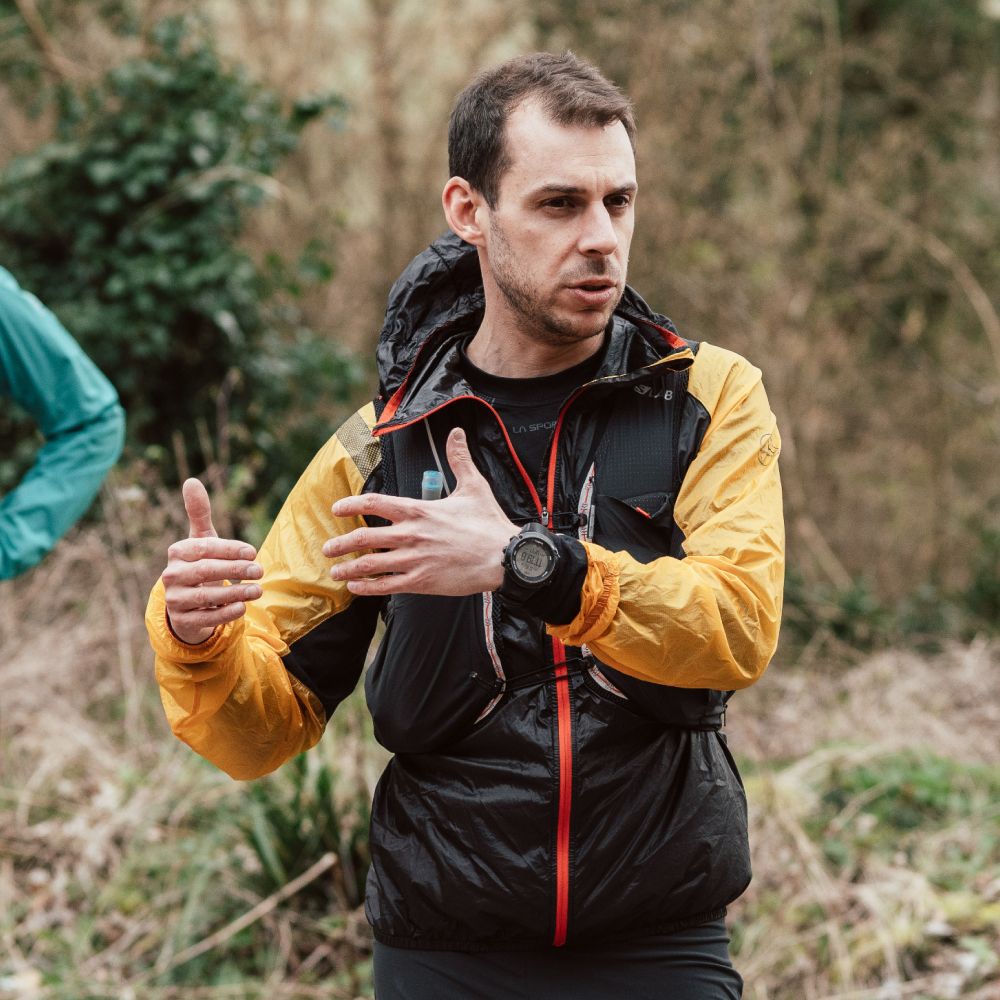
James Elson knows that “with your race vest or pack, sizing and fit is super important”.
- A vest that bounces or shifts will waste energy and annoy you by mile 30. It could also chaff so bad it impacts your race.
- Look for multiple adjustment points and a snug fit once you have put your full race kit and food into the pack.
- Shoulder strap comfort and chest strap layout also matter more if you use poles, bottles or carry crew gear. Although you might go for a quiver for the poles.
“Remember when you try a vest on empty or less full it will feel less tight than when you fill it with full mandatory kit for a bigger race” James says from experience. “When trying one on you for the first time try to pack some kit in it to get a true feel of how it will sit on your body”.
4. Access & layout
Coach Ry Webb knows there are pockets on some vests that he “simply can’t get to some of the pockets, especially towards the end of a race”. Some questions to ask yourself with a new pack or just when getting ready for your race:
- How easy is it to reach your bottle, gels or jacket while moving? If you’re chasing an ultra you’ll want a layout that works on the move.
- The more tired you get the less likely you are to reach into a pocket full of much needed snacks. Keep your food accessible for when you need it the most.
- Sophie adds that “the less you have to take your pack off the better so think about where you'll store your immediate essentials (food, hydration etc...) up front and know that you have everything else tucked away in the back.”
5. Hydration compatibility
- Do you want soft flasks in front or a hydration bladder? Check the pack’s design and what you’ll actually reach for during long efforts.
- Think about how you’ll best refill them at check points and how much you need to carry on the longest section of the race without resupply.
- If you change your hydration system often in training, pick a pack with versatile pockets.
One extra consideration
Not everything needs to go in the pack. There are multiple short and skort options with excellent waist pockets and the Naked band can turn any race day kit into a fully loadable option. It means you can have some of your best options, favourite snacks and your phone (for pictures of the beautiful views) ready to hand, even 80 miles into the race.
The checklist before you choose it for the big day
- Does this pack fit me comfortably and stay stable while moving?
- Can I reach key items (food, water, headlamp) without stopping?
- Is capacity sufficient for my planned distance and mandatory kit?
- Have I trained with this pack at least once for 2-4 hours (or longer if the event demands it)?
Choose a vest/pack you can trust. On ultra-long days, it becomes your companion more than anything else.