

January 22nd, 2026
Hydration Strategy for the UK Climate: Not as Simple as You Think
Featured in this article
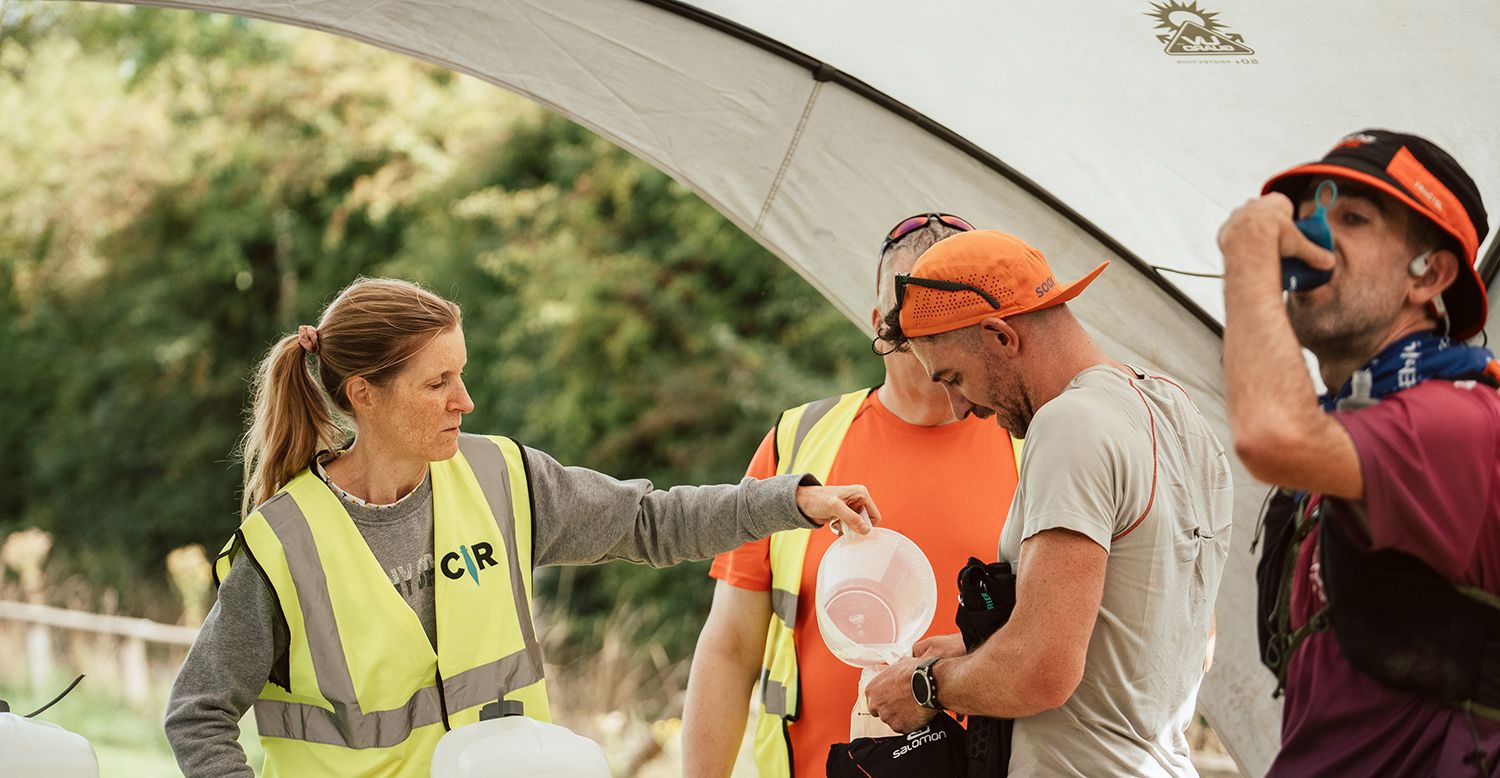
Hydration in trail running is tricky because it’s almost never dramatic. We don’t often get desert heat, but we do get long runnable stretches, humid woodland, sneaky breezes, and unpredictable shifts in weather, all of which can mask how much fluid you’re losing.
Plenty of runners finish long efforts in the UK more dehydrated than they realise, not because it was “hot,” but because the conditions quietly pulled fluid from them without the usual cues.
Getting hydration right isn’t about drinking loads or chasing arbitrary numbers, it’s about understanding what actually drives fluid loss and replacing enough of it to keep your performance and mood stable over many hours.
Here’s how to think about it.
1. Cool weather doesn’t mean low sweat (why runners get caught out)
On a chilly, windy morning it’s incredibly easy to think you’re hardly sweating at all, especially on exposed trails. But sweat rate depends heavily on metabolic heat production, not just air temperature.
If you’re running long, steady stretches on runnable trails, you’re producing a lot of internal heat, and your body removes it through sweat whether you feel it or not.
The wind dries it instantly. You don’t feel wet. But you’re still losing fluid.
This is why runners often finish a cool British long run with the same level of dehydration they’d hit in warmer places. They just didn’t notice it happening.
2. Humidity sometimes matters more than temperature.
Humidity is one of the biggest hydration challenges in the UK, especially in woodland, valleys, and coastal paths. High humidity slows the evaporation of sweat, which reduces your body’s ability to cool itself. When sweat sits on the skin and doesn’t evaporate efficiently, your body often sweats more in an attempt to compensate.
This can lead to:
- Higher sweat rates than you expect
- Greater electrolyte loss
- Higher perceived exertion
- Faster onset of fatigue
Physiologically, this is because thermal strain increases when evaporation is limited. Studies show that athletes can lose similar or even greater fluid volumes in cool, humid conditions than in dry, warmer conditions. This is simply because the cooling mechanism becomes inefficient.
3. Don’t overlook electrolytes
Electrolytes, especially sodium, aren’t a marketing fad. They’re essential for fluid absorption and retention. Sodium helps maintain plasma volume, supports nerve conduction, and enables muscle contraction, all of which deteriorate when levels drop.
If you drink only water during long efforts, you risk diluting your blood’s sodium concentration, which:
- slows gastric emptying
- reduces fluid absorption
- increases the risk of hyponatraemia (rare but serious)
- elevates perceived effort
Most importantly, without enough sodium, a lot of what you drink simply doesn’t get used efficiently. You’re pouring water in, but not actually rehydrating well.
Small, steady amounts of electrolytes are usually enough for UK conditions. Drink mixes or electrolyte tablets are simple ways to add this without drastically changing your intake.
4. Practise sipping, not downing
Many runners wait until checkpoints to drink, then take in big volumes all at once. Large boluses of fluid can slosh or bloat the stomach, especially later in a race when the gut is more sensitive.
Steady sipping keeps:
- stomach comfort better
- absorption more efficient
- blood plasma volume more stable
- fuelling smoother (since hydration affects GI tolerance)
The rhythm you practise in training will be the rhythm that feels natural on race day.
5. Adjust for pace and terrain
Hydration needs change with effort. Long runnable miles on the Thames Path will raise sweat rates more than steep hiking sections on the North Downs. The faster you move, the more internal heat you make, and the more fluid you lose.
Rather than following a fixed schedule, pay attention to:
- breathing
- rising body temperature
- how often you’re needing to take the edge off thirst
- early signs of dehydration (dry mouth, irritability, rising HR, poor concentration)
Adjust intake slightly during long, continuous stretches where you’re working harder, even if the temperature is cool.
In summary
Ultra-marathon hydration isn’t simple, because the cues can be subtle and the conditions deceptive.
Centurion coach Dr. Jamie Pugh reminds us that “Hydration shouldn’t be guesswork. Athletes need to quantify their sweat rate across a range of sessions. Tracking body mass changes after your runs (alongside temperature, humidity, and what kit they wore) helps athletes understand how their losses vary in the real world”
“From there, you can build a personalised plan and understand your own needs. Within the plan, include products and flavours you genuinely enjoy, because the best hydration strategy is the one you’ll consistently follow”.
Sweating can be high even in cold weather, humidity can increase fluid loss without you feeling it, and electrolytes support nearly every system that keeps you moving well. The key is considered intake, awareness of conditions, and building hydration habits in training rather than improvising on race day.
Remember at the Centurion Ultrarunning Store we stock a huge range of sports hydration and nutrition options to help you fuel to success. Check out the range here.