

January 19th, 2026
How to Nail Your First 100-Miler: Lessons From the Coaching Team
Featured in this article
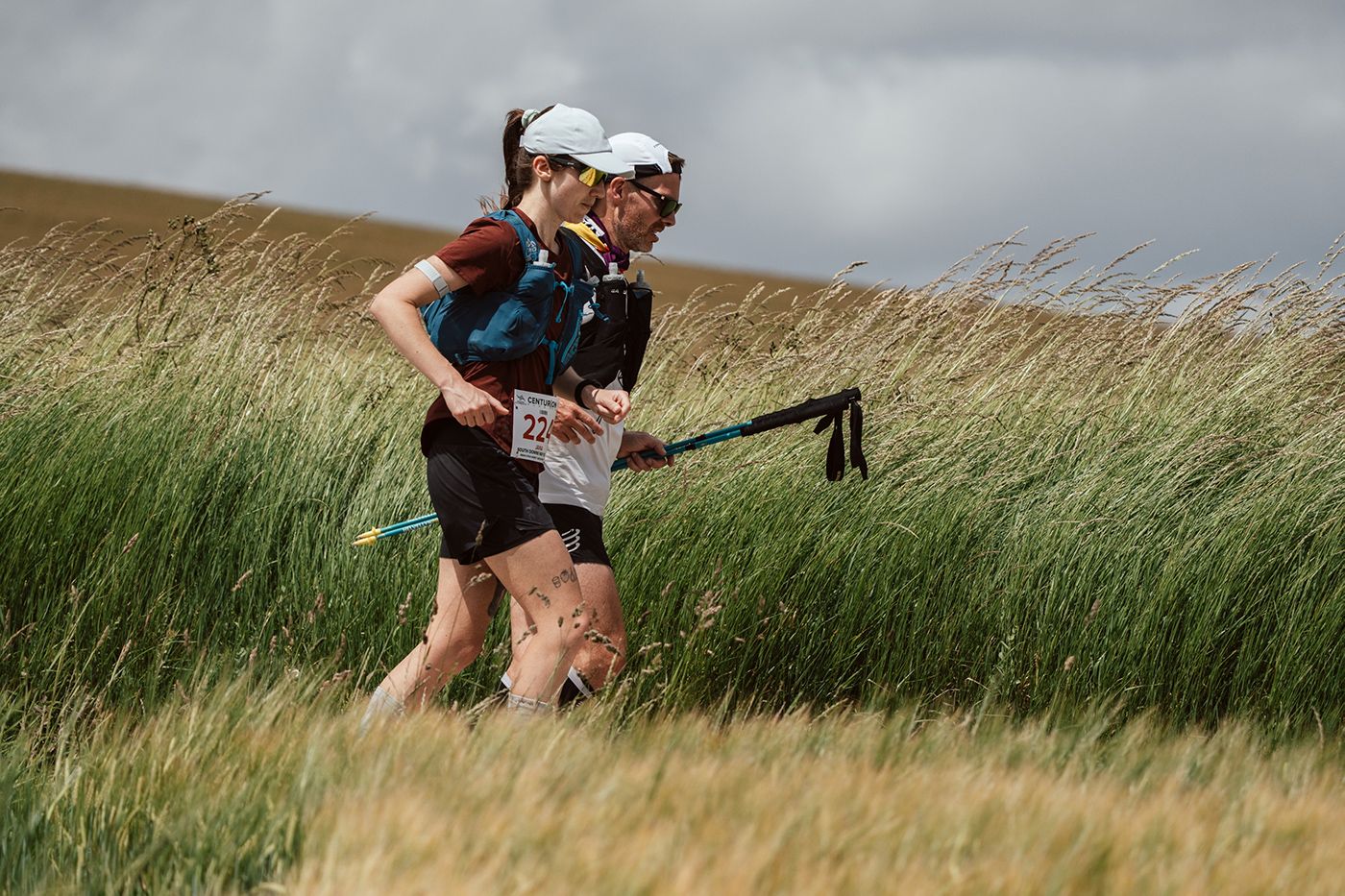
Running your first 100-mile race is a big milestone. It’s supposed to be exciting, a little daunting, and it is often the moment people really fall in love with the longer events.
Whether you're lining up for something iconic like the South Downs Way 100 or planning a local 100-miler, you don’t need to be superhuman to reach the finish. What you do need is consistency, patience, and a good understanding of how to look after yourself for a very long day (and usually a night or even two).
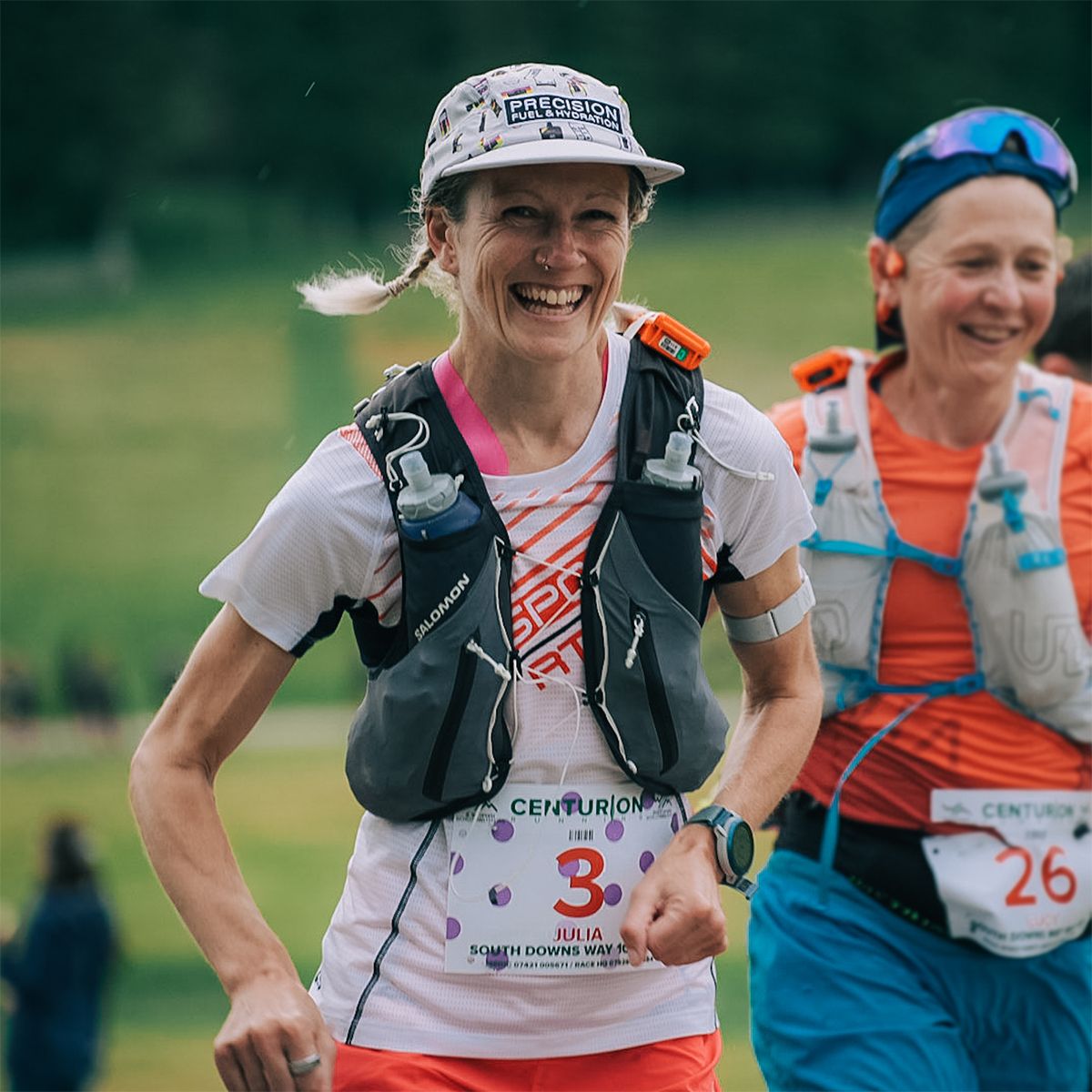
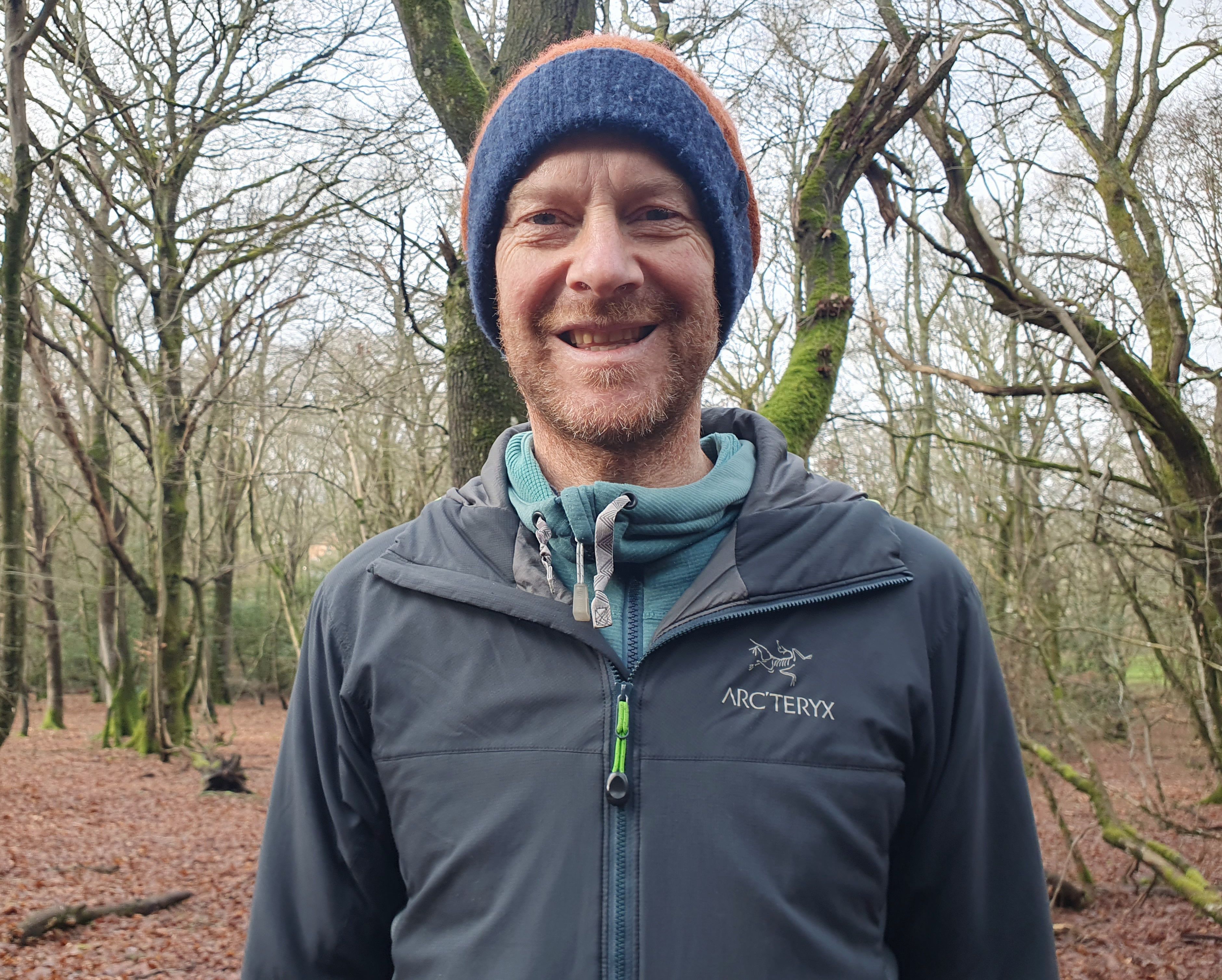
Here are the key lessons our coaches Neil Bryant and Julia Davis have gathered from guiding runners through their first hundred, and running a fair few of them ourselves.
Neil wants you to read this article with the mindset that “when you get to that startline you want to have a level of confidence that there will be minimal surprises”.
1. Consistency beats big hero weeks
You don’t need monster training blocks to run well at events like the Thames Path 100. What really matters is steady training over many weeks. A simple question helps keep training on track:
“Can I repeat this week feeling similar next week?”If not, the load might be too high for now.
Julia warns against focusing on the “massive whopper runs that leaving you needing two weeks of recovery and instead focusing on consistency, good volume and fitness over time”.
Most first-timers who finish strong have months of solid, repeatable weeks rather than a handful of huge ones.
2. Practice efficient movement, not just faster running
A 100-miler rewards relaxed, efficient motion rather than raw speed. Races with rolling terrain, like the SDW100, teach you to switch smoothly between running, jogging and hiking without wasting energy.
Key skills to practise include:
- hiking well on inclines
- keeping downhill form controlled
- staying relaxed during long, flat stretches
- managing the “fade” late into long days
A gentle 4-6 hour training day, focused on sustainable movement, can be just as valuable than a fast workout.
3. Nutrition is the quiet discipline
Many first-time 100-mile runners arrive at the race with a solid plan for pace and kit, but only a vague idea of how they’ll fuel. Training is where you learn:
- how many carbs per hour you can take
- which foods sit well late into long runs
- what you can eat when you’re tired
- how your stomach reacts to warmer or colder weather
Do your research on what will be at the checkpoints, each Centurion race has a great selection of sports nutrition and everyday snacks to choose from.
4. The correct pace will feel very easy at the start
The early miles of a 100-miler should feel almost effortless. Even gentle gradients, like those in the opening section of the SDW100, can tempt you into working harder than you realise.
A helpful rule of thumb:If you’re wondering whether you’re going too fast, ease off slightly. The same goes for “should I get that stone out of my shoe?”
You’ll be grateful for that patience many hours later, trust us on that one.
5. Prepare your problem-solving brain
A smooth 100-miler still includes low patches: tired legs, dips in mood, a bit of nausea, or a headtorch wobble. The runners who cope best aren’t those who avoid these moments, they’re the ones who respond calmly.
Useful questions to practise in training:
- What small fix can I make right now?
- Do I need food, water, or just a short walk?
- Am I cold or just slowing down?
Before her first 100 miler Julia wanted to “prove to myself that I could run 100 miles, but that is something you only really find out on race day. Instead put yourself in different challenges in training knowing that each one you overcome makes it more likely you will solve any problems on race day”.
The different courses will provide different problems to solve. The South Downs Way will have hills to tell you when to take a walk break, but Thames Path you have to add them in yourself.
6. Comfort matters more than shiny new gear
The best kit is rarely the most expensive; it's the gear you’ve tested well. Shoes that feel great for two hours might feel very different after eight. A pack that bounces slightly early on might cause race ending chaff if not dealt with.
Comfort keeps you moving long after motivation fades. The best is probably shiny, comfortable kit though…
7. Get familiar with running in the dark
Nearly every first-time 100-miler includes at least some night running. Some even start in the dark. Practise using your headtorch, moving at a slightly slower pace, and keeping warm once the temperature drops.
On races with long exposed sections, like the top of the South Downs, the night can feel cooler and quieter than expected. Not only will you slow from being tired, but also just not being able to see as clearly on technical sections too. Being ready for that makes a huge difference mentally and physically.
8. Crews are helpful, but self-reliance is key
Crews can be brilliant, but your race shouldn’t fall apart if you miss a meeting point or plans change. Aid stations at Centurion races (and many others) are set up to allow you to be self-reliant; crews are a bonus, not a necessity.
“Knowing how to refuel, sort layers, and problem-solve alone gives you confidence no matter what happens” says Neil. “And the volunteers will always be there to provide a smiling face if you really need it.”
9. Run the mile you’re in
Thinking about mile 90 during mile 30 is too big a mental leap. It could make the happiest runner a little bit sad. Focusing on getting to the next aid station, up the next hill, or simply the next 10 minutes, keeps you grounded and positive.
Small, repeatable actions carry you a very long way. One step at a time you can move 100 miles.
10. Your first 100-miler is about learning, not perfection
Whether it’s the flat towpath alongside the Thames, the rolling chalk of the South Downs, or fine singletrack of the North Downs, your first 100 probably won’t be perfect and it doesn’t need to be. You’re learning how to fuel, pace, manage yourself, and keep moving for hours longer than most people ever contemplate.
Crossing that finish line, regardless of the clock, represents months of commitment, lessons learned, and an experience that will stay with you for years…and it will be a matter of days, maybe hours, until you’re online looking for the next one.